
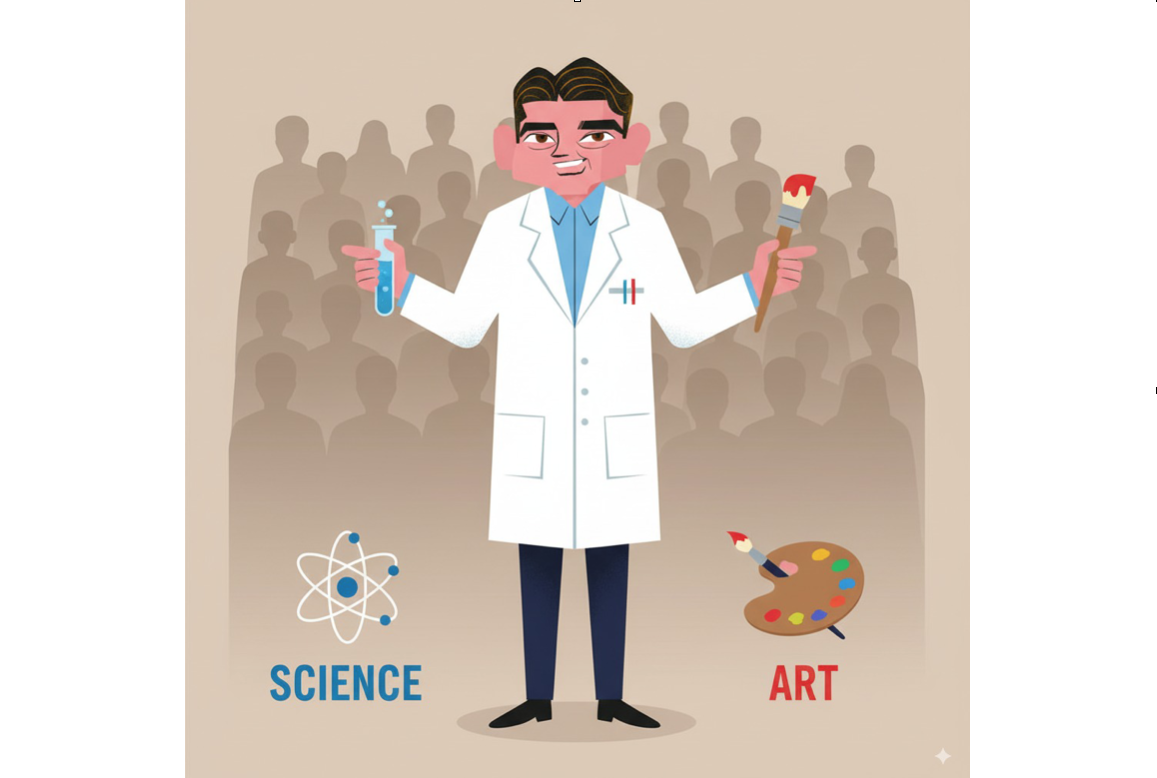
When I look back on my career designing and leading events—from building Money20/20 into a global fintech franchise, to helping launch Fintech Islands in the Caribbean, to curating agendas and partnerships for Fintech South—the common thread is always the same: people come to events for connections. The success of any event is measured by the quality of opportunities it creates and the relationships that continue to grow long after attendees head home.
The Science: Smarter Tools for Smarter Meetings
One of the most impactful changes I’ve seen in recent years is how event technology has evolved. With virtual events during COVID-19 as a catalyst, event apps have quickly evolved into powerful matchmaking tools. Features like in-app messaging and built-in scheduling make it easy for attendees to set up 1:1 meetings and maximize their time onsite or online.
Layer artificial intelligence on top of this, and the possibilities expand even further. AI can analyze attendee profiles, business needs, and engagement patterns to surface high-quality matches that attendees might never have found on their own. This shift from serendipity to intentionality is what makes the difference between a “good” networking event and one that drives measurable ROI. Some new events are designed with curated meetings at their core.
The Foundation: Mapping Stakeholders
Before any of this can work, you have to know who you’re serving. Every industry, including the community served by your event, has a unique ecosystem of stakeholders—buyers, sellers, partners, media, investors, and community members—and the balance between them is critical.
If you don’t map these groups early, you risk creating an experience that serves one audience while leaving another underwhelmed. Are the “buyers” the enterprise executives looking for new technology solutions? Are the “sellers” the fintech startups or service providers eager to reach them? Are there policymakers, educators, or cultural leaders whose presence adds dimension to the conversations?
By defining these stakeholder categories upfront and designing tailored opportunities for each to meet their objectives, you create the conditions for value on all sides. It’s like setting the coordinates before the journey—only then can the science of technology and the art of experience truly deliver ROI.
The Art: Designing for Human Connection
Still, technology alone doesn’t seal a deal. What turns a conversation into a relationship is often something more human. That’s why I’ve always been passionate about weaving cultural experiences into events—curated dinners with local flavor, intimate concerts, or shared explorations of a host city. These experiences create common ground and allow people to connect as humans first, professionals second.
I’ve seen firsthand how sitting across from someone in a scheduled 20-minute meeting can spark interest—but a shared experience at a thoughtfully designed dinner or cultural tour can build trust and deeper human connections. That’s the art of event design.
The ROI: Lasting Value for Every Stakeholder
When the science of matchmaking, the mapping of stakeholders, and the art of experience come together, ROI follows naturally. Sponsors meet qualified buyers. Attendees feel their time and travel were worthwhile. And organizers earn loyalty and momentum for future events.
The best events don’t just create moments; they create ecosystems. They give everyone—buyers, sellers, and community members alike—a sense that their time was invested wisely, that they walked away with both opportunities and memories.
If you’re an event organizer, we’d love to have a conversation about applying this philosophy to help enhance the value of your events portfolio. Finding the right balance is easier said than done, but when everything comes together—the science and the art—it’s magic.